Showing posts with label braces maryland. Show all posts

Wednesday, April 7, 2021

What is a Cavity


A cavity, also known as tooth decay, is a hole that can form in your tooth. Usually cavities start very small and gradually become bigger if they are left untreated. Most of the time cavities are not painful in their beginning stages, making it difficult to detect them until they become more severe. The best way to stay on top of your oral health and catch a cavity early on, is by visiting your dentist on a regular basis. In fact, many people are shocked when they go to the dentist and learn they have a cavity when they have zero signs or symptoms. It’s always best to treat your cavity ASAP to avoid the progression of tooth decay.

What are the symptoms of a cavity?

Some common symptoms of a cavity may depend on the severity of the decay or how long it has been present. You may experience tooth sensitivity, tooth pain, white or black staining on the tooth or you may even see the start of a hole.

Common causes of tooth decay | Cavities

Cavities on a tooth are typically caused by a substance called plaque. Plaque is a combination of food particles, acid, bacteria and saliva that form a sticky film on your teeth. We all have bacteria in our mouths – it’s inevitable! After we eat or drink something, the bacteria in our mouth turns sugar into acid which then begins the process of erosion of the tooth enamel. Enamel is the hard protective layer on our teeth that protects us from getting tooth decay. If that enamel is weakened, there is much higher chance for tooth decay. 

Risk factors for tooth decay

Everyone is at risk for getting a cavity in their lifetime, but some people are at a higher risk depending on their lifestyle and habits.

Habits/Lifestyles that put you at risk for getting a cavity:

·         Consuming sugary/acidic beverages or foods

·         Not having a daily dental hygiene routine. The American Dental Association recommends flossing at least once a day as well as brushing at least twice a day, especially before bedtime.

·         Not getting enough fluoride. People can increase their fluoride intake by simply drinking tap water, or purchasing a fluoride rinse/toothpaste to help strengthen their enamel.

·         Eating disorders such as bulimia or anorexia

·         Dry mouth

·         Acid Reflux Disease

How to treat a cavity

If you feel any sensitivity or pain in a tooth, call your dental office as soon as possible. Most of the time your dentist can detect tooth decay after a regular dental exam. Sometimes however, a cavity may not be visible at that time, so he/she may need to take x-rays to check for decay. 

The role of orthodontics and tooth decay

Sometimes if teeth are positioned too close together or spaced apart, food can get trapped and remain on the tooth for long periods of time. This can then cause tooth decay and eventually put you at a higher risk of getting cavities.

At Spannhake Orthodontics we would love to help you improve your overall oral health!  It’s never too late to improve the health of your smile.

Wednesday, March 24, 2021

5 Daily Habits to Boost Your Dental Health


If you’re looking for ways to boost your dental health, look no further! Here are some daily habits that you can work into your routine to maintain the healthiest mouth possible.

1. Proper Brushing

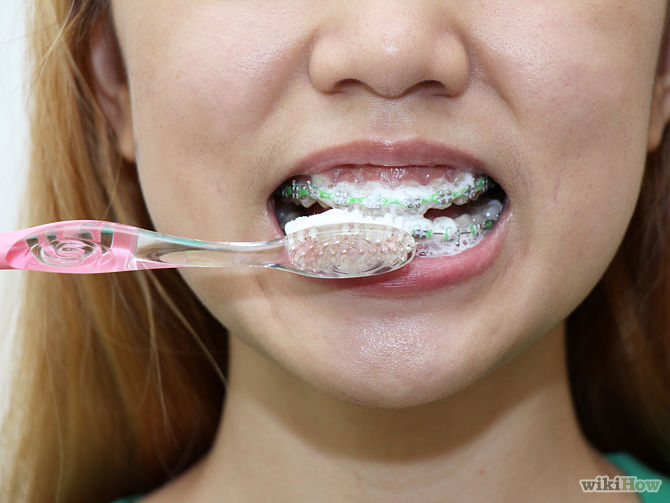
Brushing is something everyone does, some better than others. It’s important to make sure you are brushing properly and efficiently and for the right amount of time. Here are some tips on how to properly brush your teeth:

·         Brush twice a day for 2 minutes (brush to your favorite song!)

·         Brush in a circular motion with medium pressure to avoid damaging gum tissue.

·         Brush your tongue. Did you know plaque also builds up on the surface of your tongue? In most cases, it looks like a white film and discolors the muscle. Not only will brushing your tongue on a daily basis better your overall dental health, it will also improve halitosis (bad breath).

2. Floss

In order to floss correctly, make sure you are flossing thoroughly on both sides of the tooth. Work the floss in a “C” motion around each tooth to ensure you are cleaning the interproximal areas that are hard to reach with a toothbrush.

3. Use Products that Contain Fluoride

Using fluoride is a great/easy way to boost your dental health! Fluoride helps prevent tooth decay by slowing down the process of enamel breaking down and increasing the rate of remineralization process. The enamel of your tooth is hard yet porous. Because of this, plaque that sits on the surface of your teeth can produce acids that go into the pores of the enamel causing it to break down its structure from the inside. If left untreated a weak spot can form resulting in a cavity.

Here are some examples of how you can introduce fluoride into your dental health routine:

·         Fluoride Mouthwash- https://www.colgateprofessional.com/products/products-list/rinse-specialty/colgate-phos-flur-rinse

·         Fluoride Toothpaste- Most toothpastes contain fluoride! Make sure to check the label before purchasing.

·         Visit your general dentist– At your routine dental check up’s, your dental hygienists uses fluoride to deep clean your teeth.

·         Drink tap water- Tap water contains fluoride which will naturally help strengthen your teeth. In fact, studies show that drinking tap water can decrease your chances of getting a cavity by up to 50%! 

4. Drink Plenty of Water

Drinking water is essential, but some may not realize the positive benefits it may have on your smile. By simply drinking plain water while eating, you are helping clean away excess food particles that may be sitting on your teeth. However, drinks such as coffee, tea, or flavored water may contain added sugars or acidity that can cause cavities.

Water does not stain or damage teeth, making it the healthiest beverage choice when choosing to boost your dental health!

5. Eat Healthy

You’ve heard it from your doctor time and time again, and now you’re hearing it from your orthodontist! The foods you choose to consume will ultimately have an effect on your teeth one way or the other. Here are some healthy food options that you can add into your daily routine:

·         Hard/Solid Foods- These are necessary to maintain a strong mouth and jaw.

·         Crisp Fruits & Raw Vegetables- Chewing a crispy apple, or munching on some carrots or celery can do a lot of benefit for your oral health! Not only will they help clean plaque off of your teeth, but they can also naturally freshen your breath. The nutrients from fresh fruits and vegetables are also healthy for your gums and protect against cell damage.

For more information on boosting your dental health, visit the Spannhake Orthodontics website: https://www.spannhakeorthodontics.com/oral-hygiene.php

Wednesday, February 24, 2021

Why Are My Teeth Shifting?


Why Are My Teeth Shifting After Having Braces?

Uh oh! It’s been a few years since you’ve completed orthodontic treatment and you’re wondering why your teeth are shifting after having braces. Did you know the #1 reason this occurs is due to the lack of retainer wear? Retainers are actually the only way to prevent your teeth from wanting to go back into their old position. If you are not wearing your retainer regularly after having braces, your teeth may want to shift for a variety of reasons… Visit our website to learn more about the importance of wearing retainers.  

Grinding Your Teeth

Grinding or clenching your teeth can be a very destructive. Not only does it wear down the enamel on your teeth, but it can also result in shorter teeth and bite/facial changes. Grinding puts unnecessary pressure on your teeth which causes them to shift in different directions.

Tooth Loss

When you have a missing tooth, the teeth on either side will want to drift into the empty space causing total misalignment. This is why it is always a good idea to replace the missing tooth with an implant, fixed bridge or removable partial. At the very least, wearing a retainer every night will prevent teeth shifting.

Periodontal Disease

Periodontal disease occurs when the gums surrounding your teeth become so damaged it eventually destroys the bone supporting your teeth. When this occurs, teeth become more mobile causing them to move in different directions and/or fall out completely.

Aging

Natural physiologic drift is what happens when teeth move as you age. Your facial bones continue to grow throughout your lifetime usually resulting in the lower jaw growing forward and becoming more narrow. This causes your lower teeth to crow or overlap.

Genetics

Relapse occurs because teeth have memory and will want to move back into the position they were in before you had braces.

Preventing Your Teeth from Shifting

If you want to make sure your teeth do not shift after having braces, it’s extremely important that your remember to wear your retainer every night! If you realize you missed a few days and your retainer is no longer fitting properly, call your orthodontist immediately. This could be due to a damaged retainer or your teeth already starting to shift. If the retainer you wear is permanent (bonded) your orthodontist will want to make sure it is still working properly and hasn’t broken without you being aware.

Here at Spannhake Orthodontics, we encourage you to see your general dentist every 6 months to minimize decay and prevent periodontitis. Also be sure to address any bite problems you may be experiencing at this time along with grinding issues. By staying on top of your oral health, you can prevent many issues from progressing and your teeth from shifting. Above all else, always remember how important retainer wear is. At Spannhake Orthodontics, we only want our patients to have to wear braces once. 


Thursday, August 17, 2017

Affording Smiles


Some people hesitate to get braces because paying for them can be surprisingly difficult.  For most families, paying for braces can be a significant investment. That investment can become even larger when multiple family members need braces. At Spannhake Orthodontics our goal is to provide you and your family with affordable, high-quality orthodontic treatment that fits your budget.

Quality orthodontic care is about more than just aesthetics, a mouth that is crowded or contains crooked teeth can hamper your overall dental health. That's why we offer competitive pricing with a variety of payment options. If you have dental or orthodontic insurance we will work with you and your insurance company to obtain your maximum benefit. Our financial coordinator will assist you with your insurance forms and payment plan options.

The cost of orthodontic treatment varies depending on the length and complexity of your treatment.  But with some smart planning and budgeting, the cost of orthodontic treatment will be easier to manage.

  • Get Covered - If you don’t have dental insurance, look into plans that include orthodontics. A good resource to help you get started is www.deltadental.com.
  • Know Your Insurance Policy - If you have health insurance, it may include dental treatment, and possibly, orthodontic treatment. So contact your insurance company to check your benefits. 
  • Establish a Payment Plan - Most orthodontists offer monthly payment plans extended over the time of treatment with no interest or other charges.
  • Consider Credit – In many cases, the fee for orthodontic treatment can be paid via Visa, MasterCard, Discover or American Express. 

While braces can be a significant investment, understanding the various payment options available can help families to finance orthodontic treatment while looking forward to a bright future with a beautiful smile.

Tuesday, July 11, 2017

Choose Your Look

Orthodontic technology has brought us many options with regards to braces. These days, there are many types of braces, from metal braces to ceramic braces…even clear braces. But what braces are right for you?

spannhake orthodontics When it comes to braces, metal braces are the most commonly used. Metal braces involve brackets that are glued onto the front side of each individual tooth.  You may have heard the words “self-ligating" when people talk about metal braces. Self-ligating is an innovative technology that uses high-tech, light-force wires to achieve tooth movement with less pressure on your teeth for more comfortable treatment. 
westminister braces

Like metal braces, ceramic braces are glued onto the front of each tooth but are crystal-clear and blend with the natural color of your teeth so they are not as visible as metal braces. They are made of a strong, polycrystaline alumina that is more comfortable on your lips and cheeks. 
townson braces

A series of alignment trays are created from molds and can be removed for brushing and flossing. Each aligner works to straighten your teeth in small incremental movements until the desired results are achieved. Clear Aligners are made of lightweight, clear plastic in the shape of your dental arches and are virtually invisible. 

There are 2 basic types of braces patients can choose from, those that are attached to the teeth and those that are removable.  The type of braces you will need will be dependent on your specific orthodontic problem. Because each individual’s case is different, Dr, Spannhake cannot use the same treatment or braces on every person. However, if you are considering orthodontic treatment and have a specific type of bracket in mind, don’t be afraid to voice your opinion.  You never know what braces will be right for you until you ask.

To find out more about different options offered at Spannhake Orthodontics click here.

Friday, September 30, 2016

Common Problem: "Gummy Smile"

Do you or someone you know have a smile where the gums stand out more than the teeth? This is called Gummy Smile.

Formally known as “Excessive Gingival Display”, this orthodontic problem gives the appearance of overly exposed gum on the upper arch. Not only does this problem cause issues with how the smile looks, but it can also reveal underlying orthodontic problems.


Gummy smile occurs when teeth, gums and the upper jaw are not proportional to one another.
This is caused by:
Abnormal eruption of teeth
Upper lip positioned higher than normal
Position of the upper jaw in relationship to the skill

There are several options for treatment offered by Dr. Spannhake . In minor causes laser treatment to remove excess gum tissue is an option. Braces can be used as treatment to move teeth is an option as well.  In severe cases, corrective jaw surgery may be necessary to actually shift the jaw vertically upward, thus reducing the amount of exposure of the upper gum tissue. Treatment options vary depending on the cause of gummy smile.

If you have questions regarding Excessive Gingival Display do not hesitate to schedule an appointment with us so we can give you all the information you need.


Wednesday, December 9, 2015

It's National Pastry Day


Did you know today is National Pastry Day? Every year on December 9th we recognize these tasty baked goods and have yet another excuse to indulge in the deliciousness. The word pastry itself was given to the various yummy treats made up of ingredients of milk, sugar, flour, baking powder, shortening, and eggs; all which create dough.

These doughs can be used as a base to create several different goods or desserts, all with the same end result of yummy treats that your taste buds will love. Being that there are so many different types of pastry, we thought we’d share a few of our favorites with you.


The Flaky Pastry
 Flaky Pastry
Flaky Pastry Recipe
The Puff Pastry
Puff Pastry Recipe
The Shortcrust Pastry
Shortcrust Pastry Recipe


If you’re anything like us, these pictures will make your mouth water and your inner Martha Stewart come out. That being said, we linked the pictures to the recipes so you can kick start National Pastry Day with our recommended favorites! Leave a comment below telling us what your favorite pastry is!

Wednesday, November 25, 2015

It's About Gain, Not Pain


When thinking about orthodontic treatment the first question people usually have is, "Will it hurt?”. There seems to be a common fear amongst everyone with regards to the pain orthodontic treatment might bring. Well Dr. Spannhake has some good news…orthodontic treatment is not as bad as you think it is.

Orthodontic treatment has improved dramatically over the years. But as a general rule, initially, braces do make your teeth tender and sore for the first few days after having them placed. But the soreness is not unbearable. The slight soreness you feel comes from the fact that your teeth are beginning to move and they are not used to the pressure the arch wire and brackets are causing. As time goes by, your teeth will get use to the braces and your soreness will go away.

It is important to know that today’s braces are more comfortable than ever. But if you still think braces might hurt more than we are letting on, here are a few tips that will help reduce any soreness you may feel:

    Take an over the counter medicine...like Advil.
    Rinse your mouth with warm salt water.
    Eat soft foods like yogurt and mash potatoes.
    Place heating pad or warm was rag on jaw.
    Avoid acidic drinks; those drinks with acid can irritate a sore mouth.
    Use over the counter oral anesthetic like Orajel.
    Apply wax to any bracket or wire bothering your cheek, tongue or lips.


If you have any questions about starting orthodontic treatment at our office, please feel free to give us a call anytime, or leave a question on our Facebook page!

Monday, November 23, 2015

Thanksgiving Foods Healthy For Teeth

It’s pretty safe to say the words Thanksgiving and Healthy don’t pair up when you think about the delicious foods flowing around the table on Turkey Day.  But, believe it or not, you’ll have reason to feel less guilty when you indulge in the feast this season because of the benefits some of these traditional foods will have on your teeth.


Dr. Spannhake wants you to know you can now be extra thankful for pumpkin pie and turkey!

Pumpkin
Pumpkins aren't only decorative and delicious, they’re filled with magnesium too! Magnesium is a nutrient known for strengthening teeth. Also, pumpkin pulp is a good source of Vitamin A, potassium, and fiber, all which help build enamel.


Turkey
Not only is turkey the main attraction at the table on Thanksgiving Day, but it benefits your body and teeth in several ways due to the high protein content. Protein helps build strong bones and healthy teeth; just another reason to keep smiling!


So when it’s time to sink your teeth into your holiday meal, go ahead and grab a big helping of turkey and an extra slice of pumpkin pie, as these are great foods in achieving a healthy smile.

Thursday, October 15, 2015

National Orthodontic Health Month

Every year, the American Association of Orthodontists (AAO) recognizes October as a time to raise awareness of the benefits of orthodontic treatment. 


If you have never been to an orthodontist before, you might not know what to expect. Meeting with Dr. Spannhake and her staff is a great way to find out what kind of people you’ll be seeing during your treatment. This is also a time to get your questions answered and to learn more about what an orthodontist can do for you and your family.

In a month full of sweet treats, it’s more important than ever to be mindful of your braces and/or your orthodontic appliances. Try to avoid hard and sticky candy. If you can’t keep yourself away from the sugar, choose soft candies that melt-in-your-mouth. As always, remember to brush and floss after eating sugary foods. Exposing your teeth to sweets increases your risk for cavities…and allowing sugar to sit on your teeth can lead to decalcification (permanent white discoloration of the teeth).

If you have any questions about what foods are best during orthodontic treatment, feel free to ask during your next visit! We look forward to seeing you and your family this October!

Wednesday, September 30, 2015

NO Yuck Mouth

Did you know that even when you make all your scheduled with Dr. Spannhake you still have to visit the your general dentist?

Orthodontists and dentists specialize in different things, but work together to help keep your oral health on the right track. Your orthodontist is not in charge of cleaning your teeth or checking for cavities, tooth decay and gum disease. It becomes a little more difficult to keep clean your teeth while appliances and wires are in place, which is why dentist at least twice a year.


Having braces provides additional nooks and crannies where food particles and bacteria can hide. Plaque and tartar can form around your brackets and bands which can lead to cavities. Having your teeth professionally cleaned twice a year can help ensure that plaque and tartar are removed.


Visiting your dentist regularly will also help protect your teeth from decalcification. Decalcification is a condition in which white spots form on your tooth surfaces and decalcification is irreversible.
So without regular dental examinations and necessary treatment, it is possible to end up with straight teeth and good bite, but with decayed teeth and unhealthy gums. We want to make your smile is not only straight, but healthy as well.

Remember, you can still get cavities when you are wearing braces so always brush your teeth for two minutes twice a day with fluoride toothpaste and to floss daily.

Thursday, September 10, 2015

Is My Toothbrush Too Old?


The toothbrush is your number one oral hygiene accessory.  Toothbrushes help keep your teeth and mouth clean, but how long should you a keep a toothbrush?

It is recommended that ever 3 to 4 months you switch out that old toothbrush for a new fresh one. But if you’ve been sick lately change it even sooner. Replacing your toothbrush is essential since they are constantly being exposed to germs and bacteria. If you notice the bristles of your tooth brush have become worn out that is a sign that you need a new toothbrush. For example, People who wear braces should change their toothbrushes frequently because braces break down and fracture bristles and the toothbrushes lose their effectiveness.

It is helpful to keep a pack of toothbrushes available in your household at all times for easy replacement. So mark those calendars for every 3 to 4 months and it’s out with the old and in with the new.


Thursday, August 20, 2015

Start The School Year Off Right


This summer we ran our back to school contest and gave away a backpack full of school supplies. The winner was announced yesterday, if you didn't win no worries this blog will let you know exactly want you need to get this school year.

Classrooms are stocked with supplies needed to assist in learning, but most students are still required to have their own personal items. Depending on the age of your child some supplies are more necessary than others. We’ve compiled a list the top 5 supplies need in categories by level of education.

Elementary: K-5th grade

  • Colored penciels
  • Glue
  • Safety scissors
  • Pencil sharpener
  • Pink eraser

Middle School: 6th-8th grade

  • Supportive backpack
  • Stock pencil case
  • Binder with dividers
  • Ball point pens
  • Calculator

High School: 9th-12th

  • College ruled paper
  • Agenda calendar
  • Combination lock
  • Hole puncher
  • Highlighters

Don’t forget to make an appointment with us to be sure your child’s teeth are in great shape for the new school year.


Thursday, August 13, 2015

Common Problem: Excessive Gingival Display

Have you ever seen a smile where the gums stand out more than the teeth? This is called Gummy Smile.

Formally known as “Excessive Gingival Display”, this orthodontic problem gives the appearance of overly exposed gum on the upper arch. Not only does this problem cause issues with how the smile looks, but it can also reveal underlying orthodontic problems.

Gummy smile occurs when teeth, gums and the upper jaw are not proportional to one another.
This is caused by:
Abnormal eruption of teeth
Upper lip positioned higher than normal
Position of the upper jaw in relationship to the skill

There are several treatment options available for this problem. In minor cases laser treatment to remove excess gum tissue is an option. Braces treatment to move teeth is an option as well. In severe cases surgery may be necessary to reduce the vertical length of the upper jaw. Treatment options vary depending on what is causing gummy smile.


If you have questions regarding Excessive Gingival Display do not hesitate to schedule an appointment with us so we can give you all the information you need.


Friday, July 17, 2015

No Reason To Worry

Is your child nervous about getting braces, let them know they have no reason to be worried.

spannhake orthodontics

Nerves about visiting dental offices are very common at all ages, but children are more likely to have fears about visits. The main reason for the nerves is fear of pain and the unknown, don’t worry parents we have some tips for you to calm down that anxious kiddie.

5 Tips for a Fear-Free Orthodontics Visit:

  • Don’t go over details: Going too much into detail could scare your child even more. If your child has to have any type of procedure done going into detail can lead to questions like, “Will it hurt?”, “How bad will hurt?” Just leave the explaining to the doctor, they’re trained to handle your child. 
  • Watch words: “It’s only going to hurt a little bit” Words like hurt, pain, and shot can cause panic.
  • Have you child ask the questions: Before  your visit to the orthodontist have your child make a list of questions to ask Dr. Spannhake. Having your child ask questions get the answers they want and will make them feel more comfortable.
  • Bring a distraction to the office:  Make sure your child brings something to kid their mind off of the fact that they are at the orthodontist office. For example, an iPad or mobile gaming device.
  • Parents DON’T pass on your fears: There are plenty of adults who have their fears about visiting the dentist. If you a dentist phobia make sure your children don’t pick on it, if mom or dad is scared they will be too. Also don’t share your bad experiences, you are there to comfort not cause worry. 
  • So remember to ensure your child that everything will be okay and let them know we are here to help keep their smiles safe. 

Around 15% of the U.S population is afraid of visiting a dental office. Our goal is our office to make sure all of our patients are as comfortable as possible. We strongly endorse interceptive care for our younger patients. The goal of interceptive care is to address and treat a problem before it gets out of hand, so be sure your child knows they are in good hands with the smile experts! 

Thursday, July 9, 2015

Be Kind To Your Braces

braces maryland

Braces are used as a treatment to bring out your best smile. And with that comes a lot of changes to your mouth including your daily oral hygiene activities and eating habits.

While you have braces you will want to avoid certain types of foods, basically anything sticky, chewy, hard and crunchy.

Here’s a list of foods and treats you will need to avoid during your braces treatment.
    spannhake
  • Gum
  • Hard Candy
  • Sticky Candy
  • Popcorn
  • Nuts
  • Ice
  • Taffy
  • Hard Chips
  • Carrots
  • Apples
  • Hard/Thick Bread
  • Large/Hard Pretzels
  • Corn on a cob

It is important to not consume these foods, because eating anything sticky, chewy, hard or crunchy can damage your braces which could make your treatment longer than expected. We want you to have the best experience during your treatment, the wrong food can lead to a sooner than expected visit to our office. If you have any questions about what you should or should not be eating don't hesitate to give us a call.

Tuesday, June 30, 2015

Common Problems: Crowding

On average kids have 20 teeth and adults have 32 teeth in their mouths, but when you don’t have enough space teeth the result is crowding.

Crowding of the teeth is one of the most common orthodontic problems. Dental crowding occurs when there is not enough space to fit teeth within the jaws. There are other factors that can contribute, but this problem typically stems from a discrepancy between the space in each jaw and the size of teeth.


When crowding occurs teeth may be overlapping and displaced, which can cause a number of functional and cosmetic issues. Crowding can be the cause or result of other problems, such as impacted teeth, retained teeth or teeth that do not naturally fall out. Depending on the severity of the crowding determines which treatment option is best for you. Some cases call for extractions or surgery, but the most common treatment for crowding is braces.

If you think you may be experiencing crowding schedule a consultation today and we can determine what treatment is best for you!

Tuesday, June 23, 2015

It Just Takes 2 Minutes 2 Times a Day

Seeking orthodontic treatment is a great way to make sure your oral health is in good shape. However, there are other factors that affect the status of healthy teeth. Brushing, flossing and eating habits are just as important.

When treating your teeth Dr. Spannhake and her staff want to be sure they are working with healthy teeth and developing healthy habits start at a young age.


Did you know that the baby teeth that appear in the first 3 years of a child's life have been there since birth, in the baby’s jawbones? Those baby teeth are key for chewing, speaking and appearance. They also hold space in the jaws for upcoming adult teeth. Even though they fall out, baby teeth are important and you need to take good care of them.

In an effort to help keep kids' mouth's healthy, The Ad Council has started the 2min2x Children's Oral Health Campaign. For healthier teeth, good breath and fewer cavities kids need to remember to brush their teeth for 2 minutes, twice a day. Adopting these healthy brushing habits can help save children from a lifetime of tooth pain.

Helpful Brushing Tips:

  •     Brush with a fluoride toothpaste. 
  •     Place the toothbrush at an angle against the gums. 
  •     Move the toothbrush back and forth, gently, in short strokes. 
  •     Brush the tongue to remove germs and freshen breath. 

At Spannhake Orthodontics we care about the overall oral health of all of our patients. If you have any questions about your oral health, please contact our office today. For more tips please visit 2min2x.org.